When a “Repaired” Geared Motor Still Fails
From Workshop Repair to On-Site Assurance
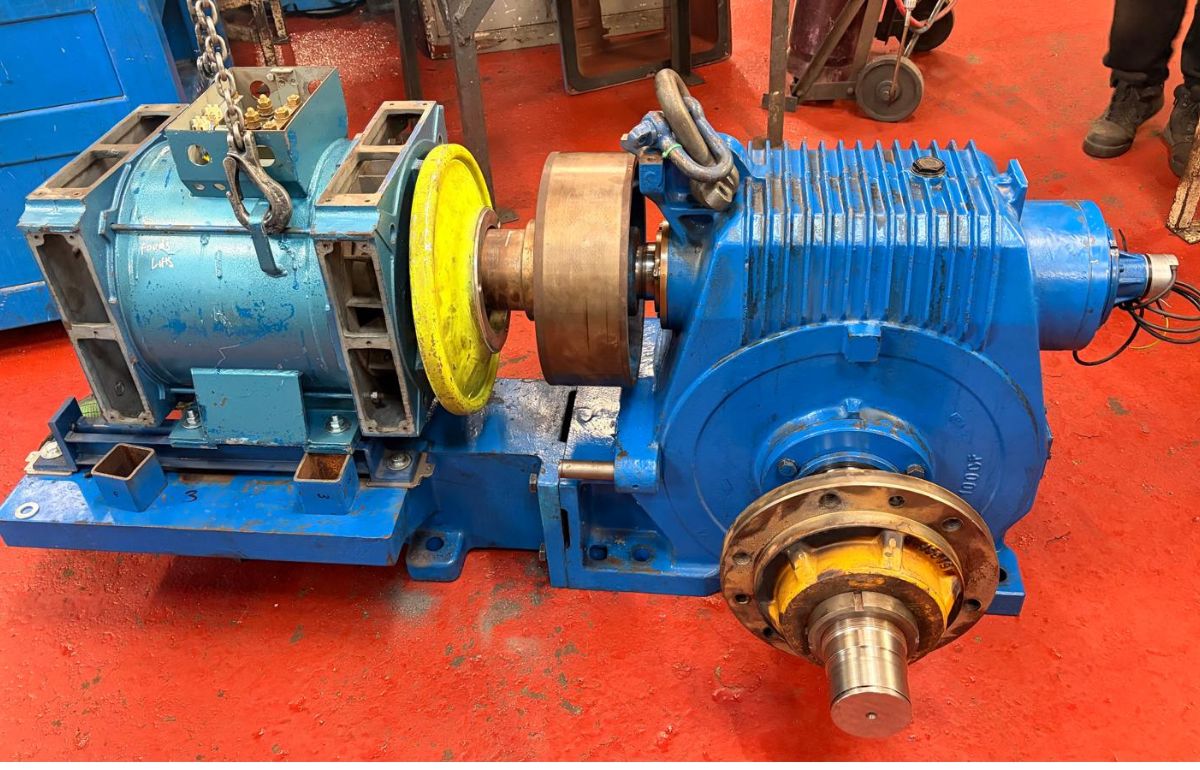
Geared Motor (Lift Application)
Just like you, we hope that all motors we repair could last over 100 years–– alas, this is sadly not the case. But we guarantee we will do everything we can to ensure a stress-free time after installation.
This job is a perfect example of that.
Outline
A motor supplied to us showed signs of excessive heat from the gearbox and visible signs of overheating and damage to the motor bearings. We were then informed that the motor had been recently repaired by a previous company and was once again showing signs of failure.
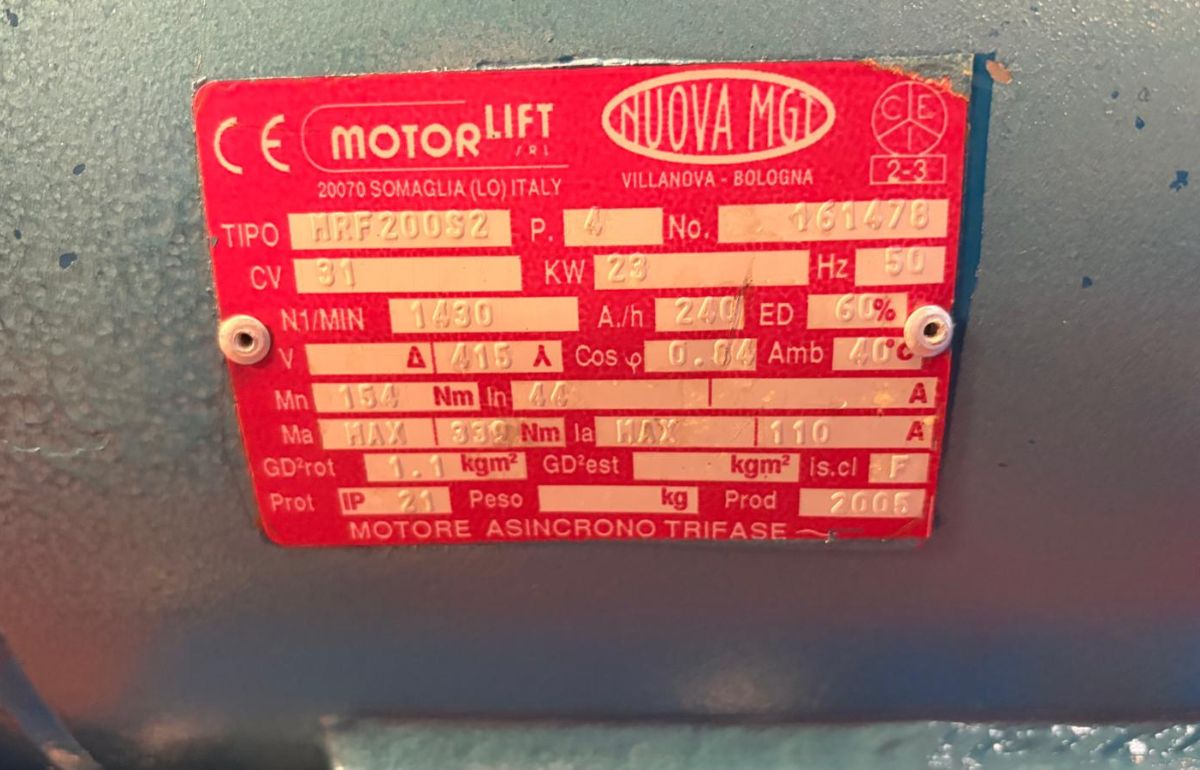
Inspection
During inspection and laser alignment, we discovered that the motor shaft was bent by approximately 0.2–0.3 mm and that the non-drive-end motor bearing was not correctly positioned, indicating:
• Incorrect installation of the bearing, or
• Misalignment during coupling of the motor and gearbox, forcing the rotor out of line.
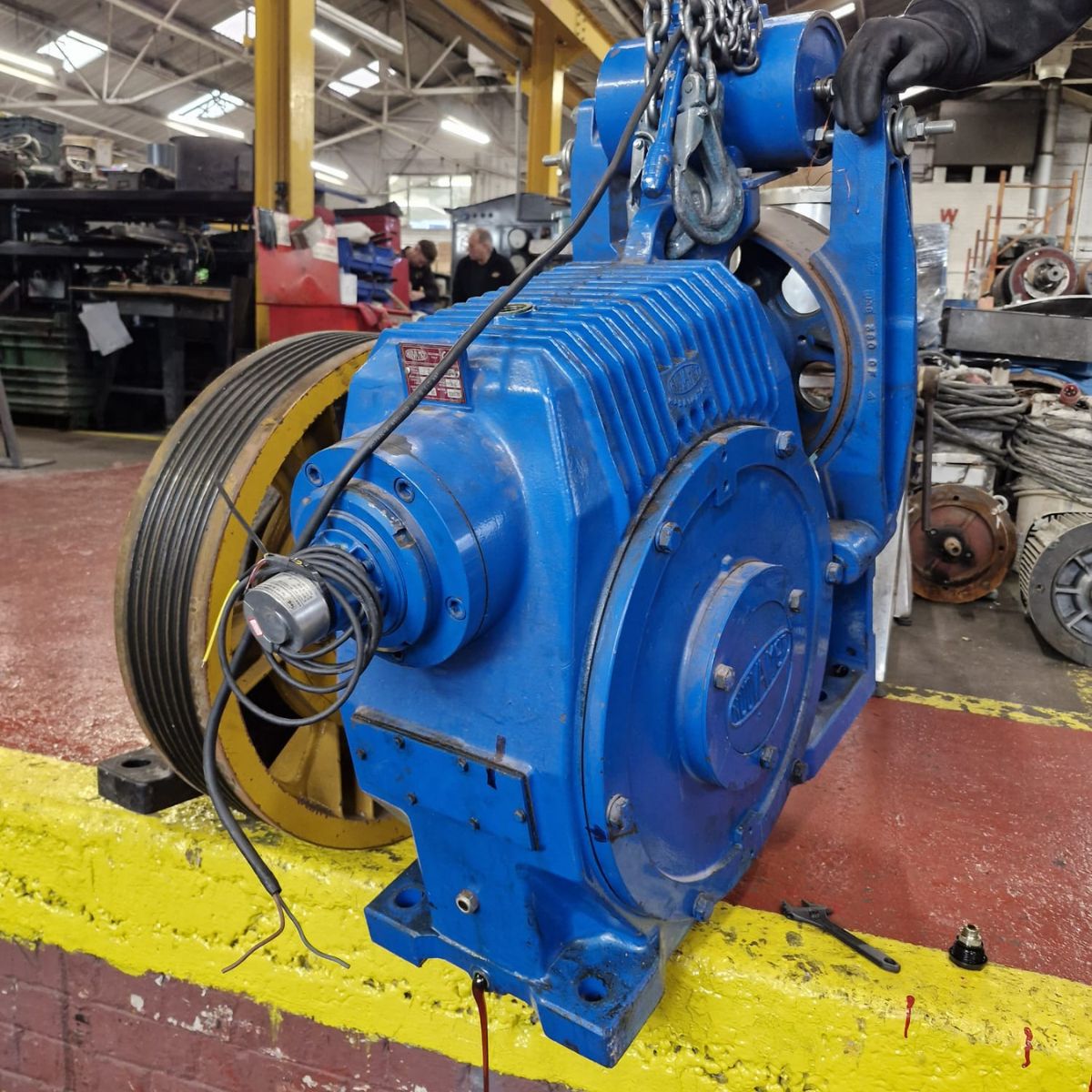
The gearbox. On initial inspection, our engineers found:
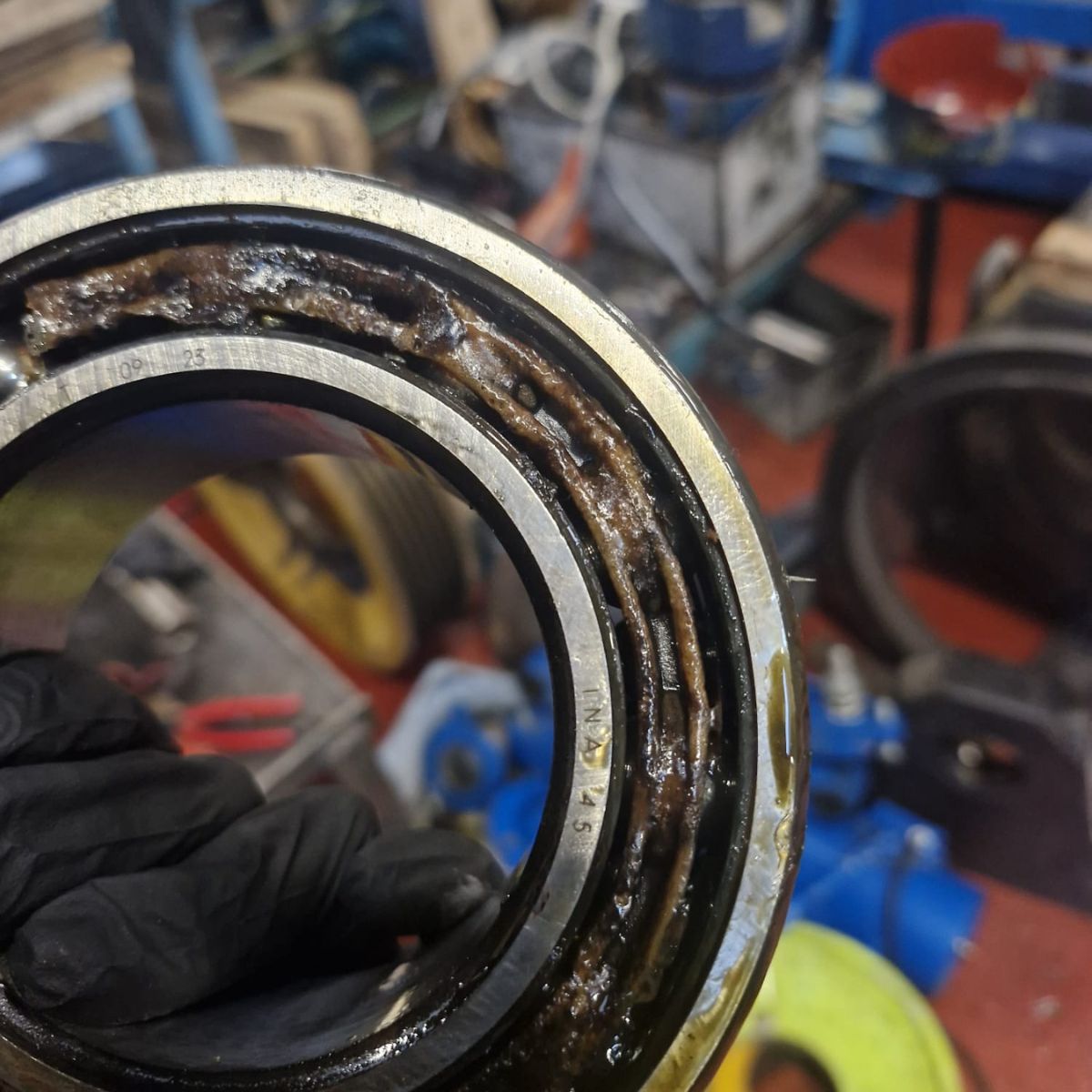
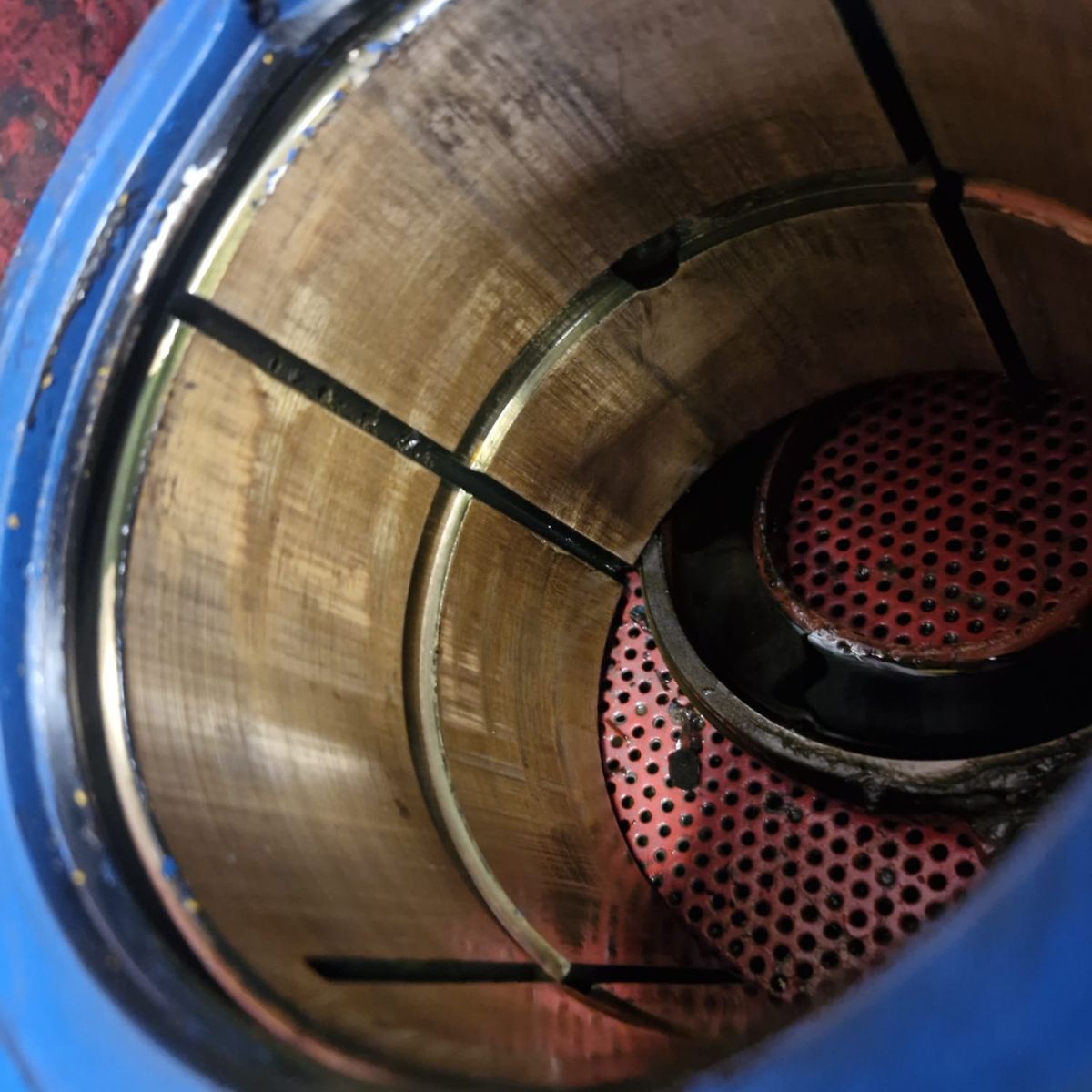
• Contaminated oil with bronze material from the bearing wear
• Significant bearing damage on the worm gear
Both are likely the result of incorrect fitting and misalignment between the motor and gearbox.
Corrective Actions
Motor
• A new motor shaft was manufactured and pressed into the rotor.
• Evidence of a previous shaft repair was discovered, confirming this as a recurring issue likely caused by historic alignment and installation problems.
• As the motor uses phosphor bronze bearings (non-standard components), these were carefully deburred and polished.
• The new shaft was manufactured to the correct tolerances to suit these bearings.
• Following reassembly, the motor was tested independently and performed correctly.
Gearbox
• As the gearbox is now obsolete, replacement parts were unavailable.
• The damaged bearing was de-burred and polished, ensuring tolerances were not exceeded, and concentricity • was maintained.
• The gearbox was thoroughly cleaned and refilled with new oil.
Assembly & Test Attempt
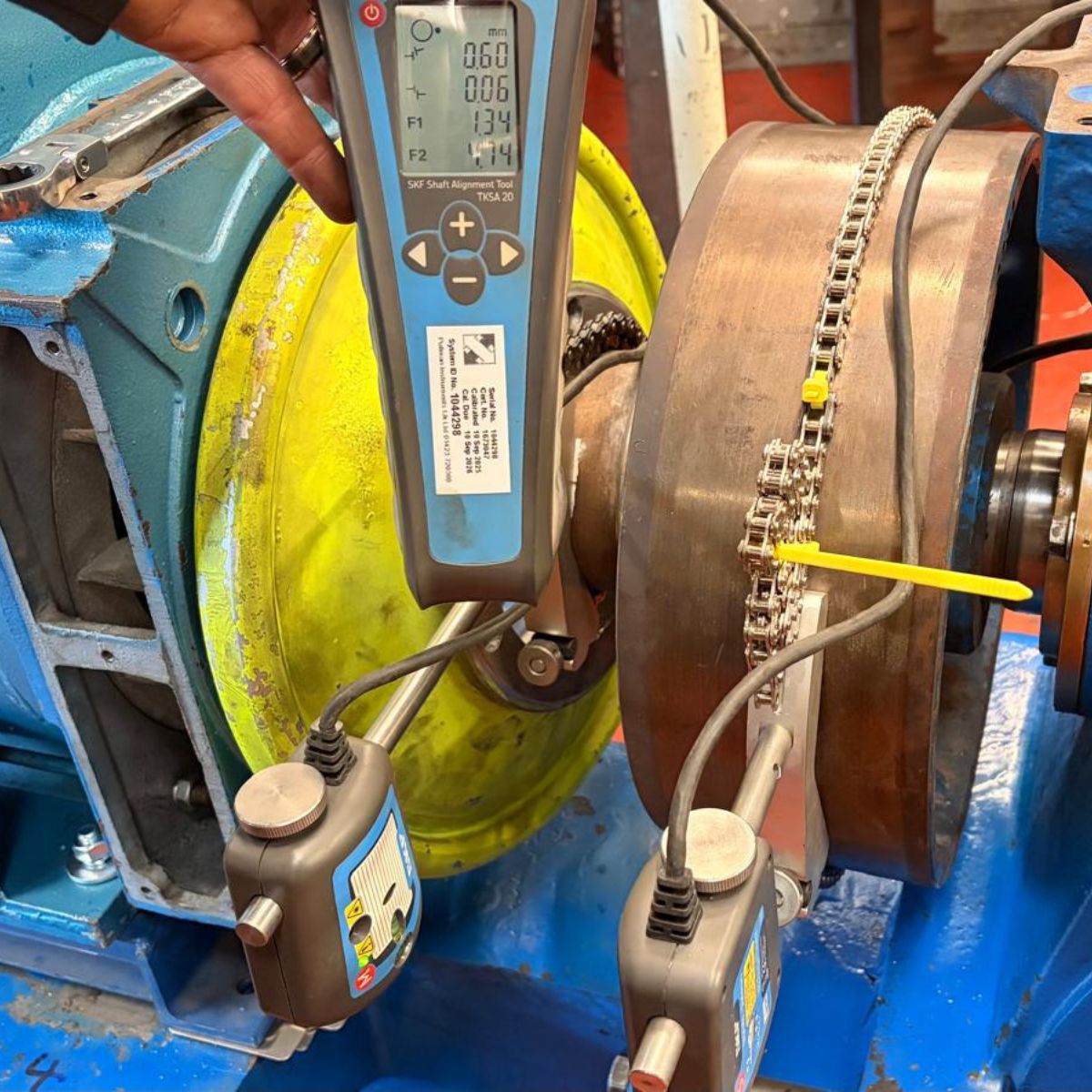
We tested alignment using a SKF calibrated shaft alignment tool (laser alignment) and achieved correct alignment until the couplings were bolted together, at which point the shafts were forced out of alignment, creating tight spots during rotation.
After several alignment attempts and troubleshooting techniques, it was identified that the motor coupling was not running true. This was then removed and machined back true.
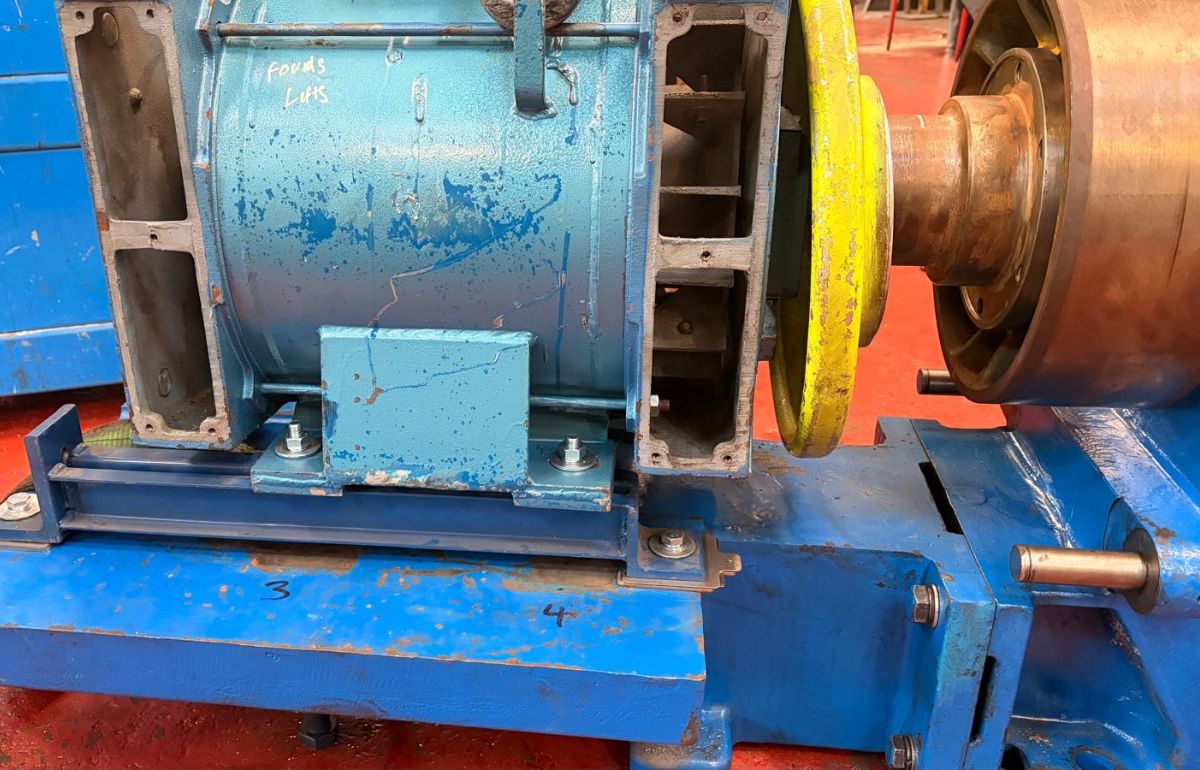
Second Assembly & Test Attempt
With the unit reassembled and aligned again, there was a noticeable improvement during rotation, now feeling free.
A controlled test run was carried out over several hours, with speed increased incrementally. However, at approximately two-thirds of maximum speed, bearing temperatures began to rise to concerning levels, at which point we stopped testing immediately.
Upon dismantling, early signs of renewed gearbox bearing damage were identified. The bearing was again deburred and polished, and this time the gearbox coupling was also skimmed while accessible.
Third Assembly & (Final) Test
The unit was reassembled following all previous alignment and assembly procedures.
• The unit rotated more freely than in any previous test.
• The motor was run at low and medium speeds for several hours, with temperatures remaining within acceptable limits.
• The unit was then run at full speed continuously for 30 minutes, which is in excess of the unit’s typical operating duty for a lift application, and no further benefit was expected from extended running.
Site Visit
To confirm, Jack, our workshop manager, went to site to check that the motor was spinning freely with no friction and monitored temperatures for one hour after installation, ensuring it was running smoothly and reliably.